
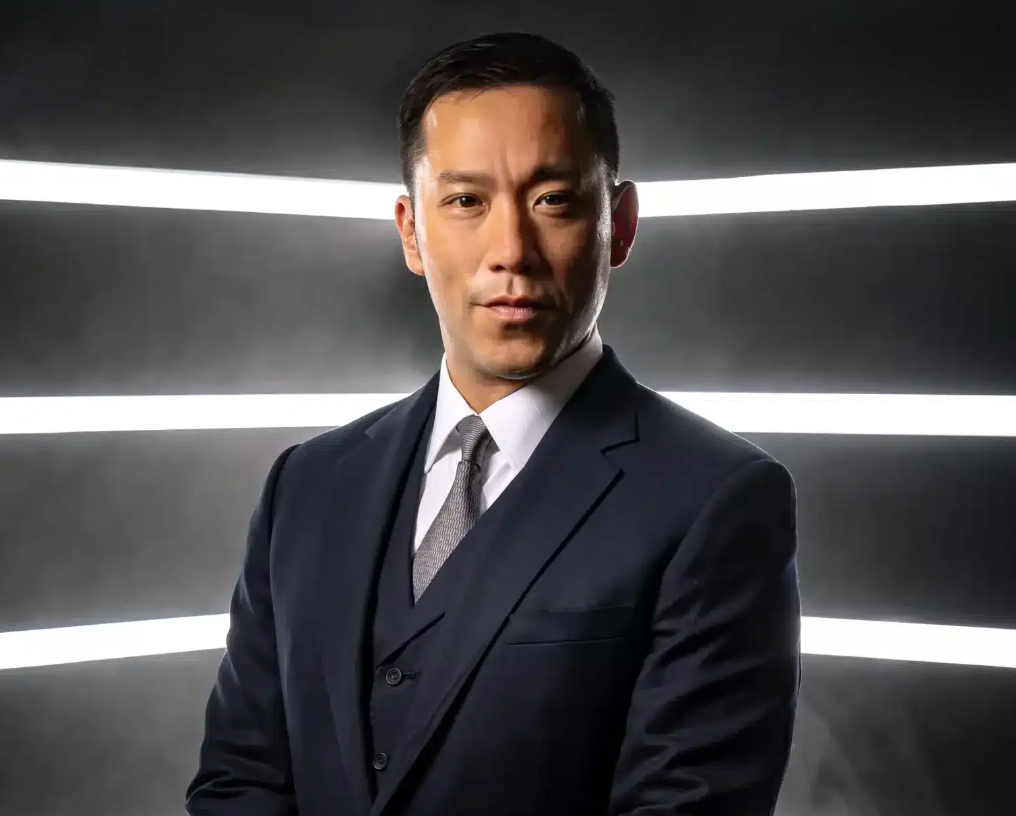
There’s a very specific kind of glory that comes from being the kid whose food everyone wanted a taste of. For Simon Kim, that glory had a name: his mom’s Kimbap. On field day in Korea, while classmates compared their mothers’ takes on the classic rice-and-seaweed roll, Kim’s disappeared first — every single time.
Fast forward a few decades, and Kim has traded grade-school field days for one of the biggest stages in American sports. In 2026, he’s bringing that same kimbap — reimagined, upgraded, and dressed for center court — to the US Open.
From Field Day to South Plaza
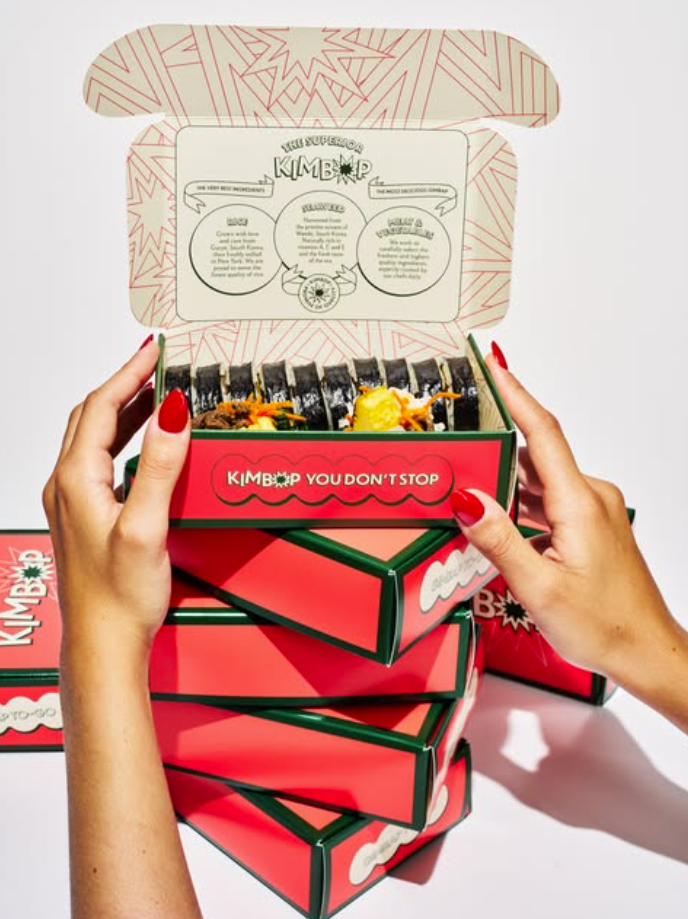
The new brand is called Dolldoll Kimbap, and it’s setting up shop at South Plaza during this year’s tournament under the tagline “Kimbap You Don’t Stop.” It’s a playful nod to the roll’s addictive, one-after-another appeal and a fitting motto for a food that’s meant to be eaten on the move, between matches, mid-rally-watch, straight out of the box.
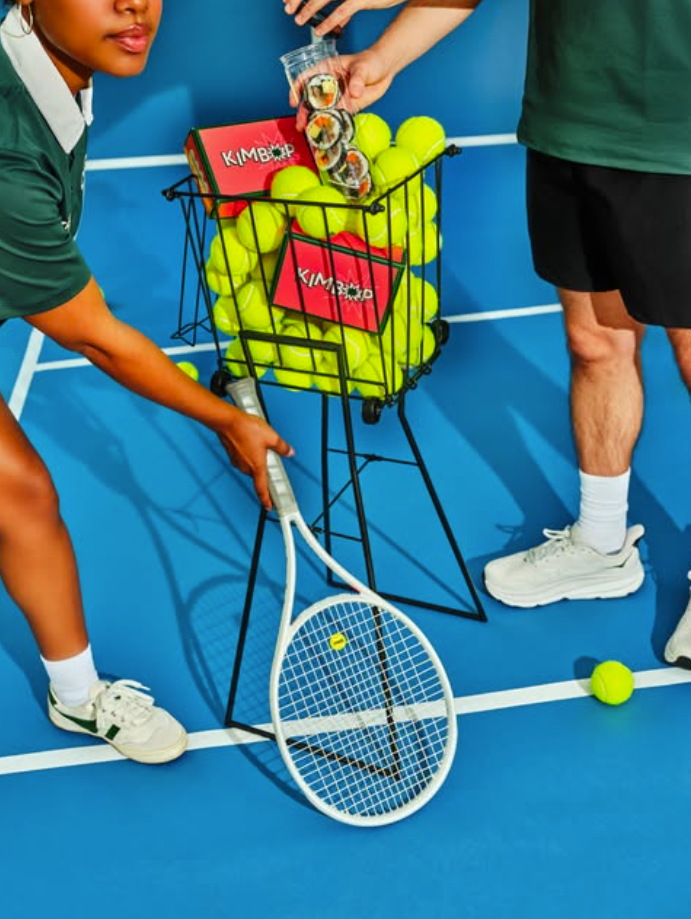
Picture a cart normally reserved for tennis balls, now piled high with neon-yellow felt balls alongside bright red Dolldoll Kimbap boxes. It’s a small, clever collision of two worlds — Korean comfort food and Grand Slam tennis — that shouldn’t work on paper but absolutely does in person.
The Godmother of Kimbap
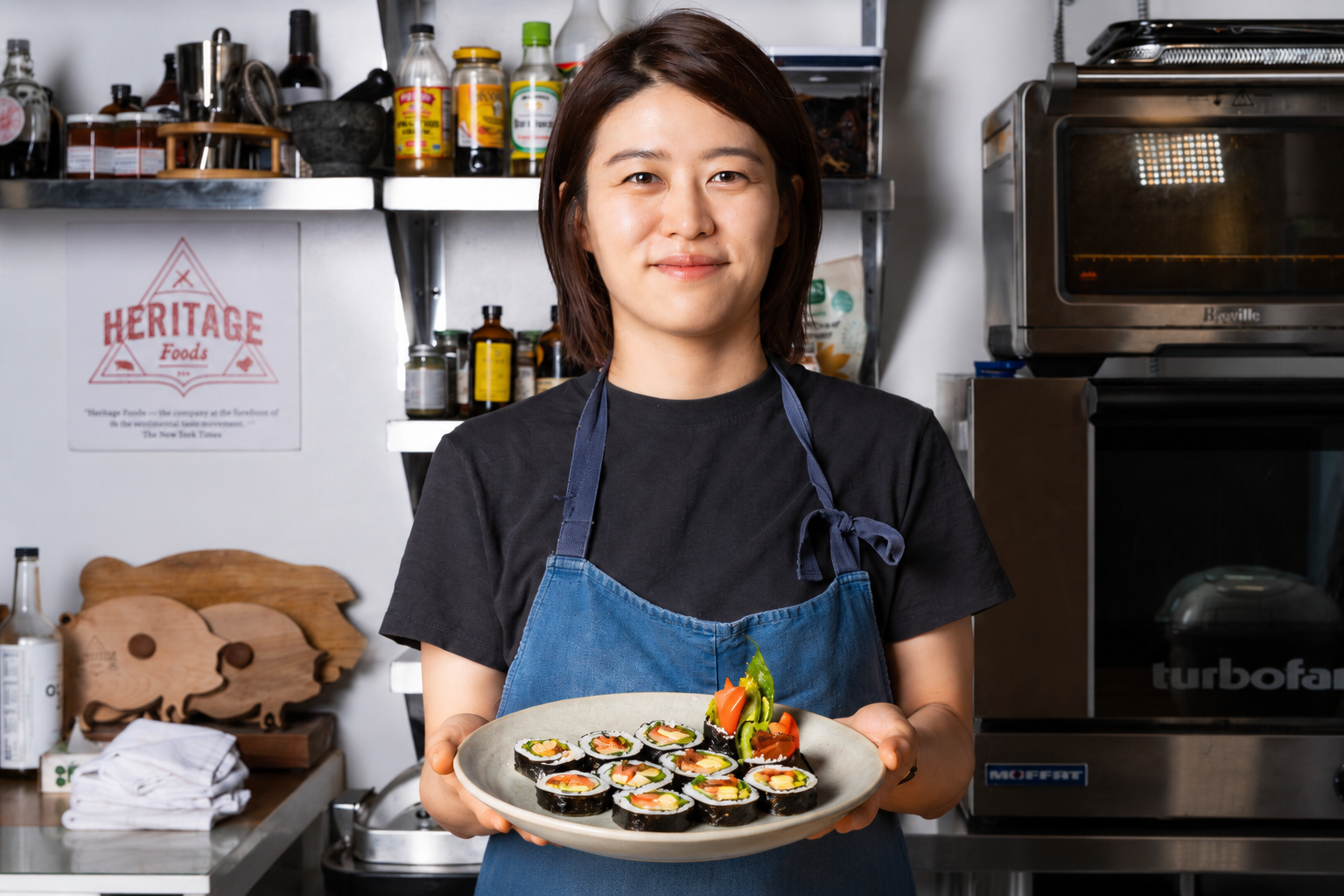
Turning a childhood memory into a product people will actually queue up for takes more than nostalgia — it takes craft. That’s where Chef Eunjo Park comes in, a figure so respected in the kimbap world she’s earned the nickname “the Godmother of Kimbap.” Together, Kim and Park have worked to preserve his mother’s recipe in every detail, ensuring the same care she once put into it lives on in every roll served today.
The ingredient story reads like a love letter to provenance: rice grown and milled fresh in New York using grains sourced with care, seaweed harvested from the clean waters off Wando, South Korea — prized for its vitamin content and distinct ocean flavor — and meat and vegetables selected daily by the culinary team. Every roll is built on the same foundation Kim grew up eating, just scaled for a stadium instead of a schoolyard.
What Exactly Is Kimbap?
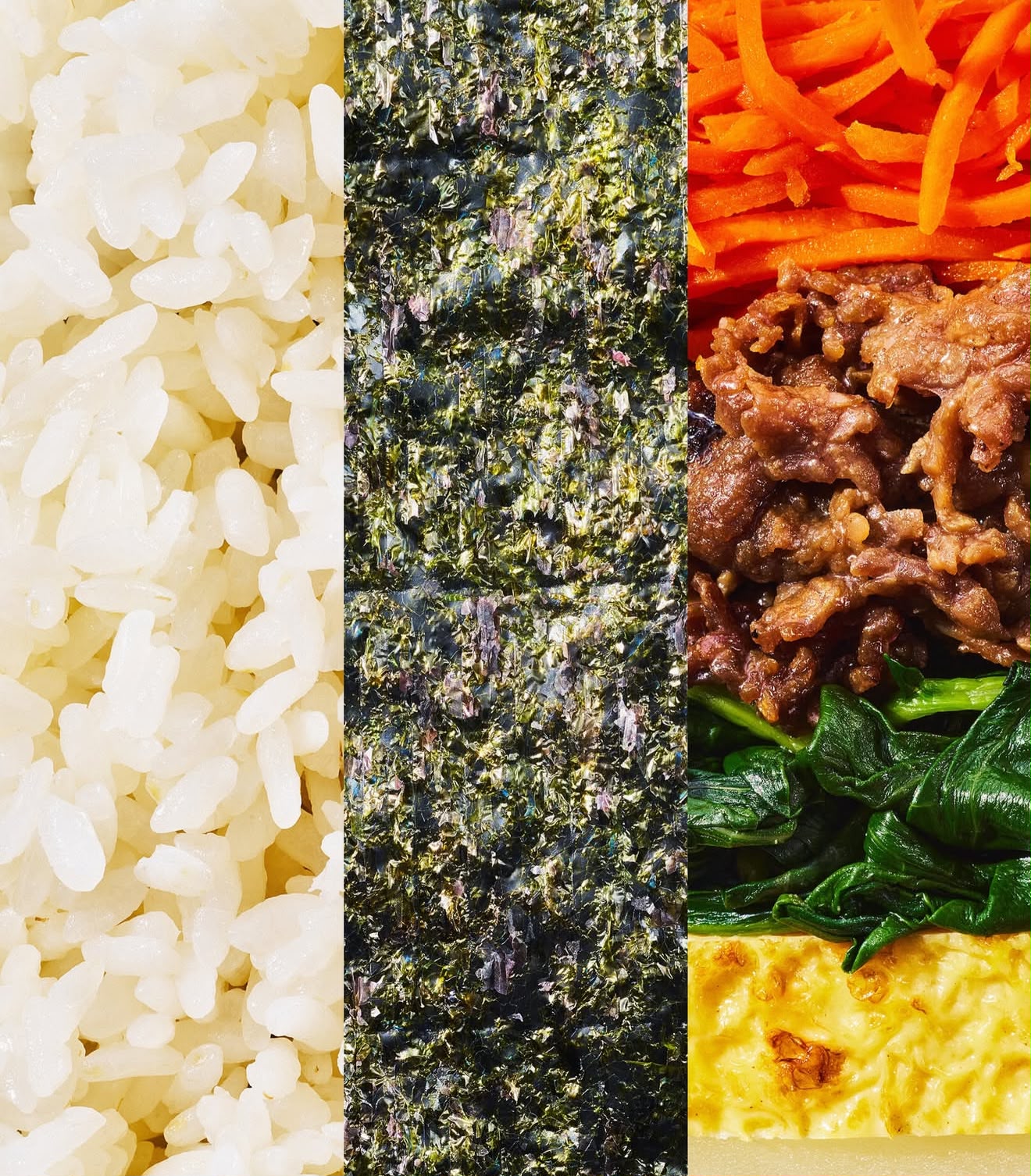
For anyone who hasn’t had the pleasure: Kimbap (김밥) is seasoned rice and a colorful mix of fillings — usually some combination of marinated meat, pickled radish, spinach, carrot, and egg rolled tightly in gim, or dried seaweed, then sliced into bite-sized rounds. It’s a staple of Korean picnics, school lunches, and any meal meant to be eaten on the go, which makes it a surprisingly natural fit for a day at the tennis tournament.
Why This Moment Matters
There’s something genuinely charming about the arc here — a dish that used to mean home is now representing Korean food culture on one of the most visible food-and-lifestyle stages in the U.S. The US Open has increasingly become a showcase not just for tennis, but for what’s happening in food: new concepts, new chefs, new cultural crossovers. Dolldoll Kimbap slotting into that lineup signals something bigger than a concession stand upgrade — it’s another marker of how mainstream Korean food has become in America, moving from specialty H-Mart runs to center-court snacking.
Somewhere at South Plaza this month, a kid is going to unbox a Dolldoll Kimbap between matches and go back for another. Simon Kim already knows how that story ends.
Want more stories like this one? KFoodinUS.com is tracking Korean food culture across the U.S. — follow along @kfoodinus for more.